
Solar rooftop systems have become one of the smartest financial decisions a homeowner or business owner in India can make. Lower electricity bills, government subsidies, and rising electricity tariffs all point in one direction.
What Is a Solar Rooftop System?
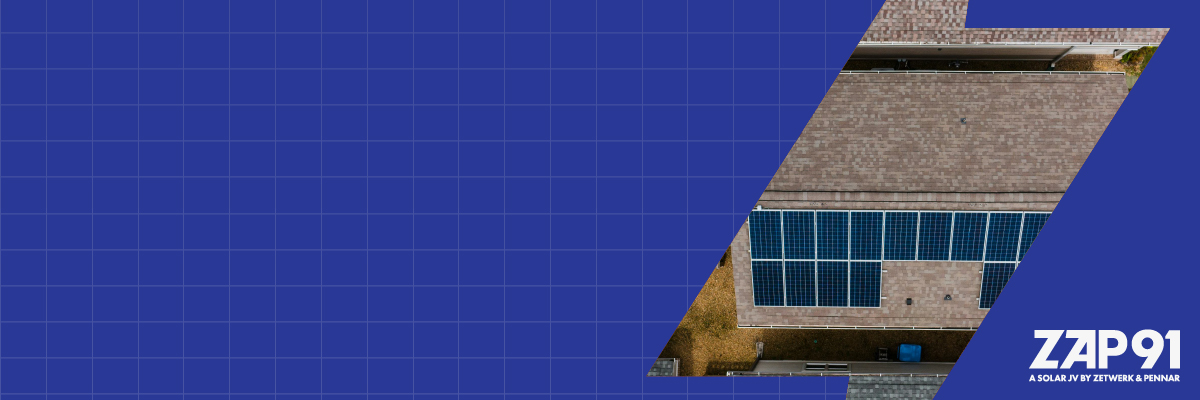
A solar rooftop system is a solar power setup installed on the roof of a building. It uses photovoltaic panels to capture sunlight and convert it into electricity for use inside the building. Surplus electricity can be fed back into the grid and credited to your electricity account through net metering.
How Much Does a Solar Rooftop System Cost?
- 1 kW — ₹60,000 to ₹80,000 — 1 to 2 BHK apartments
- 2 kW — ₹1,10,000 to ₹1,50,000 — 2 to 3 BHK homes
- 3 kW — ₹1,50,000 to ₹2,00,000 — 3 BHK to large homes
- 5 kW — ₹2,50,000 to ₹3,20,000 — Larger homes, small offices
After applying the PM Surya Ghar subsidy, costs reduce significantly. For a 3 kW system, the subsidy can bring your net cost down by ₹78,000 or more.
Rooftop Area Required
As a general rule, a 1 kW solar system needs approximately 10 square meters (about 100 square feet) of shadow-free rooftop space. A 3 kW system needs approximately 300 square feet of usable, unshaded roof area.
Solar Rooftop Eligibility
- You have a valid electricity connection
- You own or have permission to use the rooftop
- Your DISCOM (electricity distribution company) allows net metering in your area
Step-by-Step: How to Install Solar Rooftop
- Calculate your energy needs: Look at your last 12 months of electricity bills and find your average monthly consumption in units (kWh).
- Get a site assessment: A reputable solar installer will visit your site to assess rooftop angle, shading, structural strength, and grid connection options.
- Choose your system: Based on the assessment, select the appropriate system size, panel type, and inverter.
- Apply for subsidy (if applicable): Residential consumers should apply through the PM Surya Ghar portal before installation.
- Installation: The physical installation typically takes 1 to 3 days for a residential system.
- Net meter application: Your installer typically handles the application to your DISCOM for a net meter.
- Commissioning and inspection: The DISCOM inspects the system and activates net metering. Once approved, your system is live.
Choosing the Right Solar Modules for Your Rooftop
The panels you choose have a direct impact on how much power your system generates over its 25-year life. Zetwerk's Zap91 solar modules are built for Indian conditions. The ORION N-Type TOPCon Bifacial module delivers up to 580Wp with 22% efficiency, while the NOVA P-Type MonoPERC Bifacial module offers 525 to 555W output with enhanced performance in low-light and partial-shade conditions. Both lines are ISO-certified and meet the requirements for subsidy-linked and commercial rooftop installations in India.
How Net Metering Works
- You generate 20 units today
- You use 12 units
- You export 8 units back to the grid
- Your electricity bill is reduced by the value of those 8 units
Over time, this can bring your monthly electricity bill close to zero, or in some months, generate a credit.
Key Takeaways
- Rooftop solar is affordable, especially with government subsidies of up to ₹78,000
- A 3 kW system is the sweet spot for most Indian homes and costs ₹70,000 to ₹1.2 lakhs after subsidy
- Net metering lets you sell surplus power and further reduce your electricity bill
- Installation is a straightforward process handled by certified solar installers
FAQs
How long does solar rooftop installation take?
For a typical home, physical installation takes 1 to 3 days. The full process including application, installation, and net meter activation can take 4 to 8 weeks.
Can a tenant install rooftop solar?
You need the building owner's permission. Many housing societies are also now exploring collective rooftop solar for common areas.
What if my roof is not flat?
Sloped roofs can accommodate solar panels using adjustable mounting structures. Installers are experienced with tiled, sloped, and metal sheet roofs.