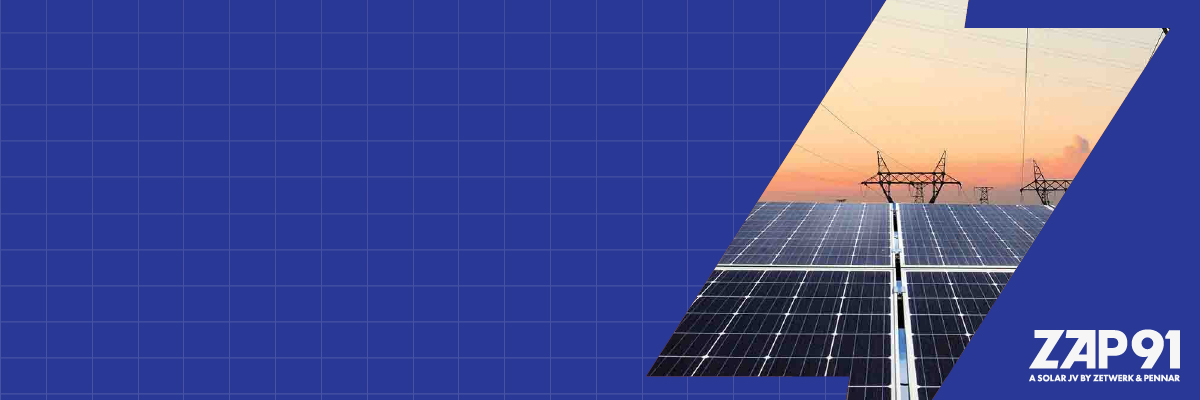


India is one of the sunniest countries in the world. With over 300 sunny days a year across large parts of the country, the potential for solar energy here is enormous and largely still untapped. Whether you are a homeowner looking to cut your electricity bill or a business owner exploring clean energy options, solar energy in India offers real, practical benefits today.
Why Solar Energy Makes Sense for India
- High solar irradiation: Most of India receives 4.5 to 7 kWh of solar energy per square meter per day
- Falling costs: The cost of solar power has dropped by over 85% in the last decade
- Government support: National and state programs actively subsidize solar adoption
- Energy security: Solar reduces dependence on imported fuels
Key Benefits of Solar Energy
- Lower Electricity Bills: Once installed, a solar system generates electricity at near-zero cost. Most homeowners recover their investment in 4 to 6 years and then enjoy significantly reduced or near-zero electricity bills for 20 or more years.
- Reduced Carbon Footprint: Solar produces no direct emissions during operation. A typical 5 kW home system offsets approximately 6 to 8 tonnes of CO₂ per year.
- Energy Independence: With battery storage, you can insulate yourself from power cuts and grid outages, which are still common in many parts of India.
- Increase in Property Value: Studies in multiple markets have shown that homes with solar installations command higher resale values.
- Low Maintenance: Solar systems have no moving parts. After installation, maintenance typically involves cleaning panels a few times a year and an annual inspection of wiring and connections.
Top Uses of Solar Energy in India
- Residential rooftop solar: Powering homes and reducing electricity bills — the fastest-growing segment in India.
- Commercial and industrial rooftop solar: Large companies and factories use solar to reduce operating costs and meet renewable energy purchase obligations.
- Solar water pumps: Particularly valuable for farmers who previously relied on diesel pumps.
- Solar street lighting: Widely deployed across rural and semi-urban India.
- Large utility-scale solar plants: Massive solar parks in Rajasthan, Gujarat, Andhra Pradesh, and Karnataka supply power to the grid.
- Solar water heaters: Used in homes, hotels, and hospitals for hot water without using electricity.
Government Support for Solar Energy in India
- PM Surya Ghar Muft Bijli Yojana: Up to ₹78,000 subsidy for residential rooftop installations
- PM KUSUM Scheme: Solar pumps for farmers at heavily subsidized rates
- National Solar Mission: Part of the broader plan to achieve 500 GW of renewables by 2030
- Net Metering Policy: Allows homeowners to sell surplus solar power back to the grid
India's Solar Energy Future
India's solar capacity crossed the 100 GW milestone in 2026. The government's 500 GW renewable energy target by 2030 makes solar the centerpiece of India's energy future.
Key trends to watch in 2026 and beyond:
- Manufacturing push: India is rapidly scaling up domestic solar panel manufacturing to reduce dependence on imports. Zetwerk is a direct example of this shift. Through its Zap91 module brand, developed in collaboration with Pennar Industries, Zetwerk offers high-efficiency TOPCon and MonoPERC modules manufactured in India, available directly to project developers, EPCs, and enterprise buyers.
- Battery storage: Falling battery costs are making solar plus storage more viable
- Agrivoltaics: Using the same land for solar generation and farming simultaneously
- Floating solar: India is developing large floating solar plants on reservoirs and lakes
Key Takeaways
- India has exceptional solar potential due to high irradiation across most of the country
- Solar energy cuts electricity costs, reduces emissions, and provides energy security
- Government subsidies and schemes make adoption more affordable than ever
- India is on track to become one of the world's largest solar markets by 2030
FAQs
Which Indian state has the most solar energy capacity?
Rajasthan leads in utility-scale solar, followed by Gujarat, Karnataka, and Andhra Pradesh.
Can I get solar energy in a rented home?
If you have the landlord's permission to install panels on the roof, yes. Some rental agreements are beginning to include solar provisions.
What is net metering and how does it work?
Net metering allows your electricity meter to run backward when your solar panels produce more electricity than you use. You receive credits on your bill for the power you export to the grid.